



Agricultural & Stock Fencing
Stock netting, post & wire, post & rail and equestrian fencing for farms, smallholdings and paddocks across Shropshire. We walk the boundary, tell you which runs need replacing and which just need re-tensioning, and set the strainers so the fence is still tight in ten years.
Stock Fencing Across Shropshire
Fencing That Holds Stock, Not Just Looks Tidy
Plenty of firms will put up a garden fence. A stock fence has to hold a bullock leaning on it in February, and that is a different job.
We have been doing rural work across Shropshire since 1997, farm tracks and access drives, yards, gateways, and the boundaries that go with them. The same team, the same approach: walk the whole run before quoting, set the strainers properly, and price the sections that need doing rather than the whole field. Cattle, sheep, horses, mixed grazing, a paddock behind a house in Prees or a 400-metre boundary outside Hodnet.
Why Stock Fences Fail
Almost every slack or collapsed stock fence we look at is one of four things. Strainers not set deep enough, so the first winter pulls them over and the whole run goes slack with them. Wire that was never tensioned, just stapled tight-ish on the day and left to sag. Posts too far apart for the ground, letting the netting belly between them until something pushes through. And the wrong netting for the stock, sheep net in front of cattle, or no top wire where there should be one.
Repair a Run or Refence the Field?
A long boundary very often needs both. It is normal for 300 metres of fence to have one 60-metre stretch where the posts have rotted off at the ground and a remainder that only wants re-tensioning and a few new intermediates. We won't refence 300 metres if 60 have gone. A quote that prices the whole length at the same specification usually means nobody walked it.
Strainers First, Every Time
The strainer post and its strut are the job. Everything else, the netting, the line wires, the intermediates, hangs off them. Get them deep, get them strutted, and the fence stays tight. Skimp on them and nothing you do afterwards matters.
- We walk the whole boundary before quoting anything
- Strainers and struts at every corner, gateway and change of direction
- High-tensile wire tensioned to spec, not stapled tight on the day
- Barbed or plain top wire — your call, we'll advise
- Sectional pricing — you are not charged to refence what is sound
- 29 years of rural work across the county
Do It Before Turnout, Not After
Autumn and winter are when the ground takes a post cleanly and the diary has room. A fence that goes slack in May, with stock in the field and the grass growing, costs you the stock, or a morning chasing it down the lane, not just the fence. Get it walked now.
What We Fence on Farms & Paddocks
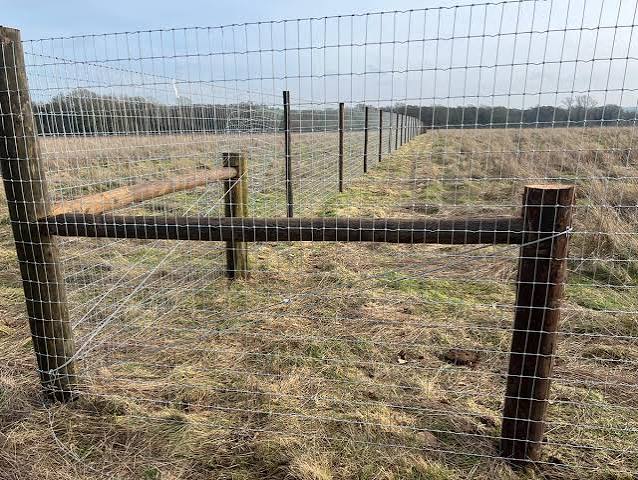
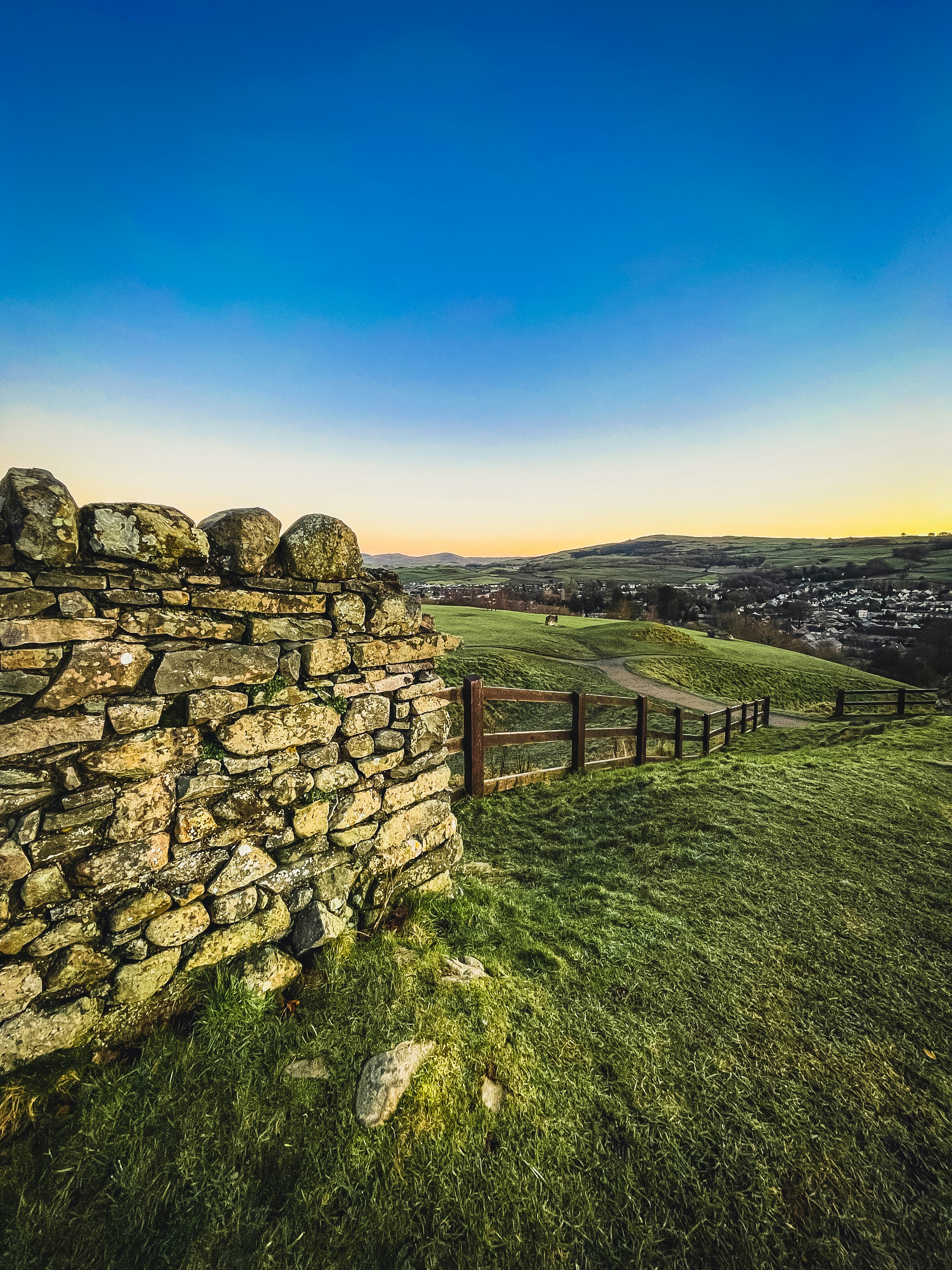
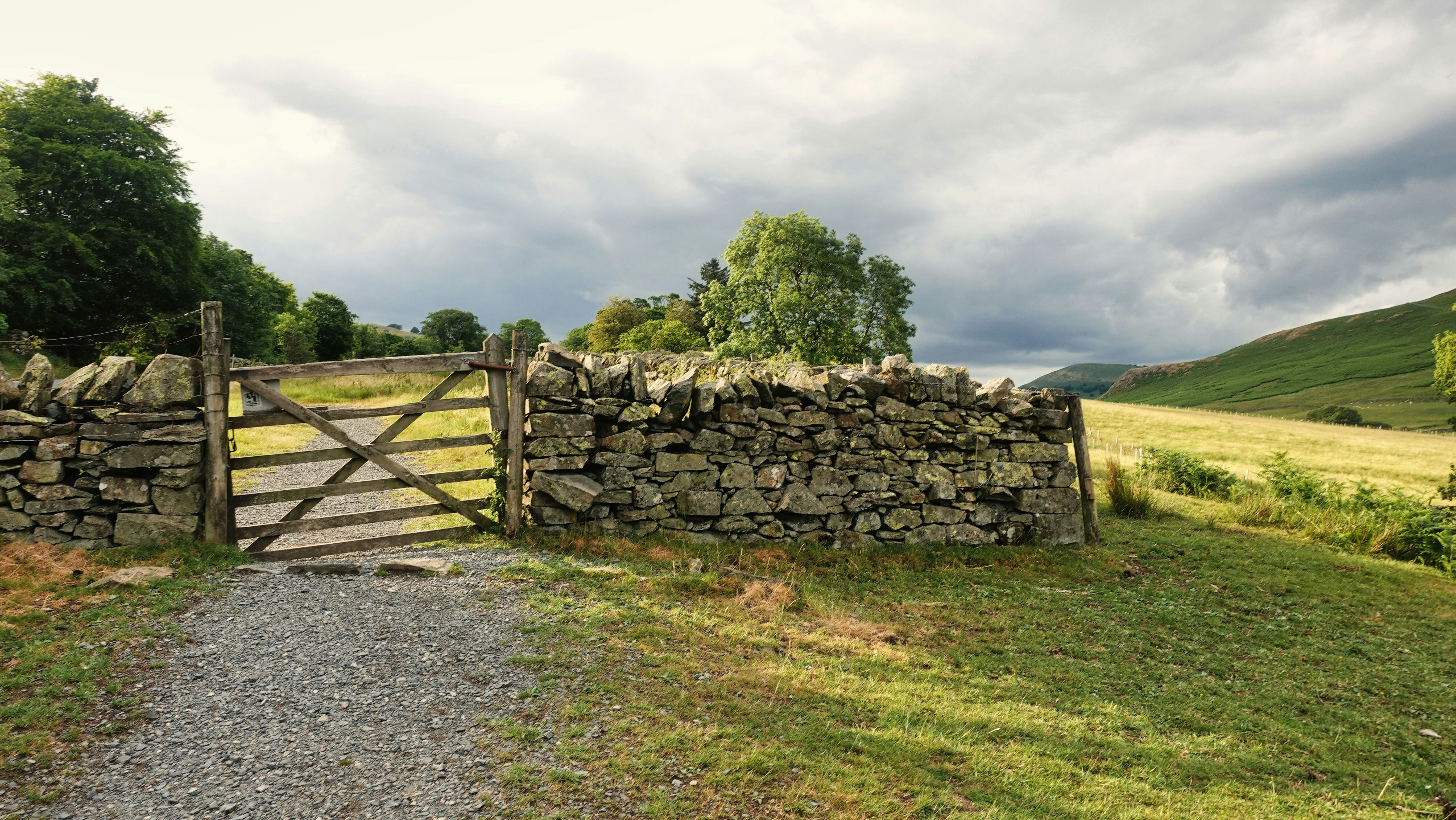
How We Build a Stock Fence
Same sequence every time. Every slack fence we're asked to look at skipped one of these.
1. Walk It and Mark It
The full boundary, before anything is priced. Corners, dips, gateways, wet patches and the runs that are still sound. That walk decides where every strainer goes and how much of the old fence can stay.
2. Strainers and Struts
Heavy posts set deep at every corner, gateway and change of direction, each one strutted back against the pull of the wire. On a long straight, another strainer every 50 metres or so. This is the fence; the rest is attached to it.
3. Intermediate Posts
Driven with a post knocker where the ground allows, which holds far better than a dug hole backfilled with the same loose soil. Spacing is set by the ground and the stock, tighter on undulating runs.
4. Line Wires, Tensioned
High-tensile plain wire strained between the strainers with a proper tensioning tool, not pulled by hand and stapled. A fence tensioned to spec stays tight for years; one stapled tight on the day is slack by spring.
5. Netting and Top Wire
Stock net sized for what's in the field, smaller mesh at the bottom for lambs, taller with line wires above for cattle, then a barbed or plain top wire, your choice. Horse paddocks get post and rail or horse-safe net, never barbed.
6. Old Fence Out and the Tidy-Up
Old wire, rotten posts and netting pulled and taken away, not left in the hedge bottom for a tyre to find. You get a boundary you can turn stock into the same day.
Get a Free Quick Quote
Thanks, your enquiry is on its way
We've got your details and we'll be in touch, usually the same day.
No need to send it again, one is enough.
Or call us now on 01743 816170Post & Rail and Equestrian Fencing
Post and rail is the fence for anywhere you have to look at every day: paddocks by the house, the sides of a drive, a boundary onto the lane. Two-rail for a visual boundary, three-rail for horses and most stock, four-rail where you want it to stop a determined pony as well as look right.
Horses change the spec. Rails go on the inside of the posts, the horse side, so an animal leaning on the fence pushes the rail against the post rather than pulling the nails out. No barbed wire anywhere a horse can reach it. If you run electric, we set the posts up for an insulated top line from the start rather than you retro-fitting it. Behind the rails, a horse-safe mesh keeps foals and dogs where they should be without the leg-trap risk of standard stock net.
Timber is pressure-treated softwood as standard; half-round or sawn rails to suit the look you're after. Post and rail on a long boundary is dearer per metre than stock net, so most holdings mix the two: rail where it's seen, net where it isn't.
Fencing a boundary that has a failed access track along it? Our guide to repairing farm tracks before winter covers the other half of the job, and the stock fencing guide for Shropshire smallholdings goes into netting types, post spacing and what it costs per metre. Or read it as a story: How the Fence Learned to Stand.
Rail on the Horse Side
The single most common mistake on equestrian fencing is rails nailed to the outside of the posts. It looks the same from the lane and lasts one season with a horse leaning on it. We fix them on the inside, every time.
Where We Work
The whole county. Most of our stock fencing sits around Market Drayton, Whitchurch, Wem, Prees, Hodnet and Loggerheads, the TF9 clay and the sandy ground further north both take a post differently, and we know which is which. We cover Shropshire end to end, from the Cheshire border down to Much Wenlock and Bridgnorth.
Frequently Asked Questions — Stock & Agricultural Fencing
How far apart are the posts on a stock fence?
Intermediate posts are normally set at 3 to 4 metre centres, closer on undulating ground or where the netting has to follow a dip. Strainer posts with a strut go in at every corner, every gateway and every change of direction, and on a long straight run at roughly 50 metre intervals so the wire can be tensioned properly.
Cattle or sheep netting, what's the difference?
Sheep netting has smaller mesh at the bottom to stop lambs pushing through and is usually around 80cm high with a plain or barbed top wire above it. Cattle fencing is taller, relies more on tensioned high-tensile line wires and a barbed top wire, because a bullock leaning on a fence is a different load from a ewe. Mixed grazing gets a taller net with line wires above.
Can you fence a paddock for horses?
Yes. Horse fencing is post and rail, or post and rail with a horse-safe netting behind it. No barbed wire, the rails fixed on the horse side of the posts so a leaning animal pushes against the post not the nail, and we can set it up ready for an electric top line if you want one.
Can you repair a slack stock fence rather than replace it?
Often, yes. If the strainers are still sound and the posts are not rotted at ground level, a slack run can be re-tensioned and a few intermediates replaced for a fraction of the cost of refencing. We walk the boundary first and tell you which it is, section by section.
How long does 200 metres of stock fencing take?
On reasonable ground with clear access, two to three days for a two-man team including strainers and netting. Rocky ground, tree roots, a boundary that has to follow a stream or a lot of corners all add time. We give a fixed price after walking it, not a day rate.
Do you do farm tracks and access drives as well?
Yes. Farm track repairs and rural access drives are the other half of what we do on holdings across Shropshire, and it's common for us to fence a boundary and rebuild the track to it on the same visit.
We Also Serve Nearby Areas
Garden fencing, farm tracks, or a driveway elsewhere in Shropshire? We cover the whole county.
Closeboard Fencing Farm Tracks & Access Drives All Fencing All Shropshire Shrewsbury Market Drayton Whitchurch Telford Oswestry NewportGet the Boundary Walked Before Winter
Free boundary walk anywhere in Shropshire. We go the full length, tell you plainly which runs need refencing and which just want re-tensioning, and price it by the section.